
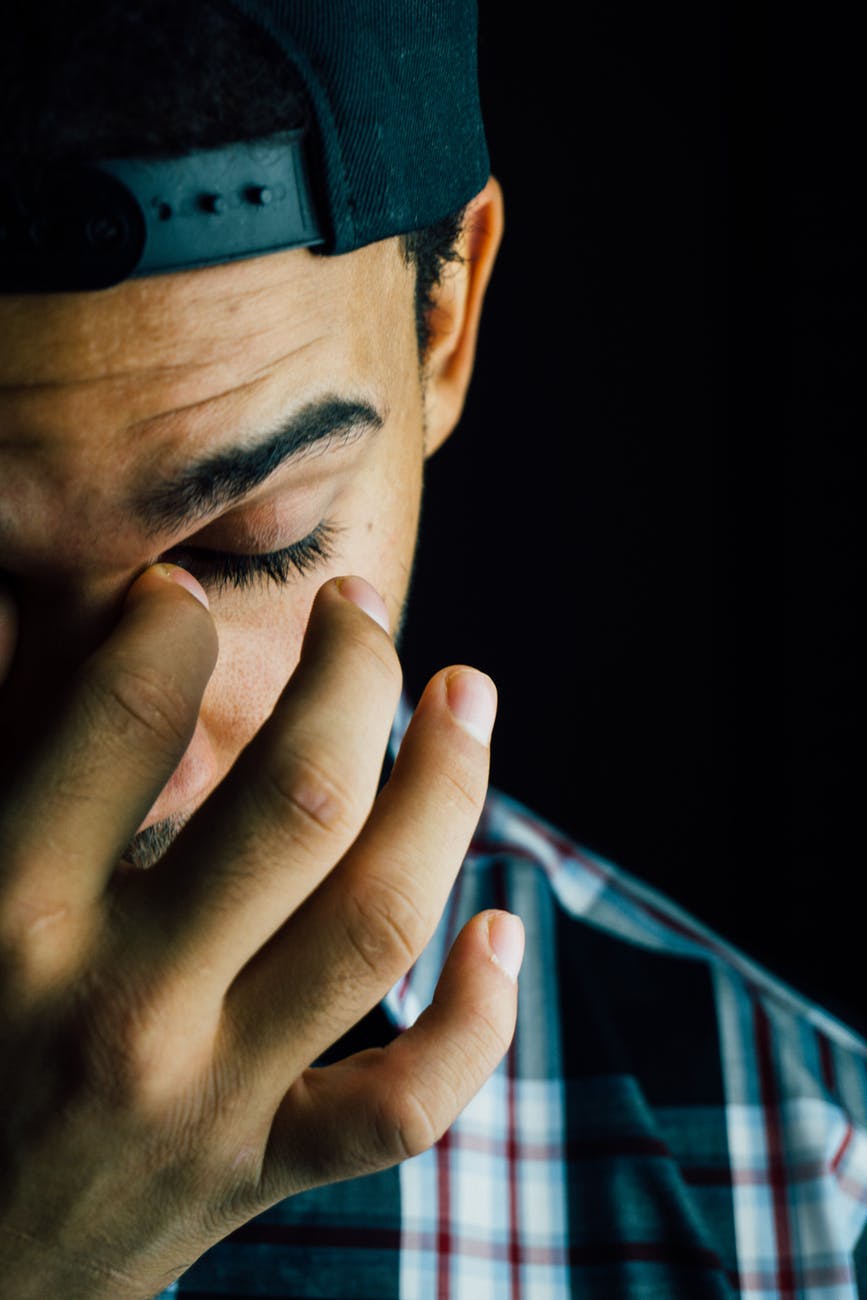
The days are shorter and the temperature is starting to dip. The pleasant, colourful fall days have passed as we settle into shorter and colder days with less sunlight. For most, the change of season is expected and natural. However, for some, the change in season can have a drastic effect on mood and functioning, which can be referred to as seasonal affective disorder.
Seasonal affective disorder (SAD), a form of depression that typically appears as the winter approaches and subsides when the spring returns, affects about 6% of the population. SAD doesn’t just impact adults. In fact, 3% of children aged 9 to 17 are affected by SAD. Signs of SAD in young people can include:
- Problems with concentration
- Decline in academic achievement
- Reduced energy
- Increased irritability
- Changes in appetite
If you suspect that your child is experiencing SAD, speak to your doctor. Signs of SAD can also be due other conditions that require medical treatment. Once a diagnosis of SAD has been established by your doctor, there are a few things that you can do to better support your child:
Help your child understand SAD
Provide a simple, developmentally appropriate explanation of the condition. Reassure your child that he will feel better in time and you are there to support him.
Establish a self-care routine
Talk to your child about the importance of eating well, exercising and getting enough sleep.
Eating well: To boost energy and provide comfort, your child may crave foods that are high in fats and sugars. Encourage your child to opt for nutrient dense food choices, such as whole grains, nuts, fruits and vegetables.
Exercising: Regular exercise can improve mood and energy level. Also, increasing sun exposure can help. Try to encourage your child to participate in activities outdoors or accompany him for daily walks. Getting involved in an outdoor winter activity, like hockey, skiing, snowshoeing, or tobogganing can help to make the dull days of winter more enjoyable and can lower the risk of developing SAD.
Getting enough sleep: Establish a sleep routine so that your child is not only getting an adequate amount of sleep, but he is also going to bed and waking up early to maximize exposure to daytime light.
Provide extra homework support
You may have to provide extra help with homework, particularly around organization and time management. Speak to your child’s teachers and see if they can provide accommodations where they are needed.
Be patient
Symptoms might take time to subside; don’t expect immediate results. If symptoms become more severe or interfere with the daily functioning of you or your child, please seek assistance from a physician or psychologist.
You can also consider the following resources for more information or tips on how to cope:
https://www.health.harvard.edu/healthbeat/seasonal-affective-disorder-when-winter-brings-the-blues
https://kidshelpphone.ca/get-info/seasonal-affective-disorder-what-it-how-cope/
https://www.psychologytoday.com/ca/conditions/seasonal-affective-disorder
https://www.montrealtherapy.com/professional-advice-seasonal-depression/
Centre for Addiction & Mental Health Short Video: https://www.youtube.com/watch?v=JP7T2q3yeUM

 Healthy Learning MTL